
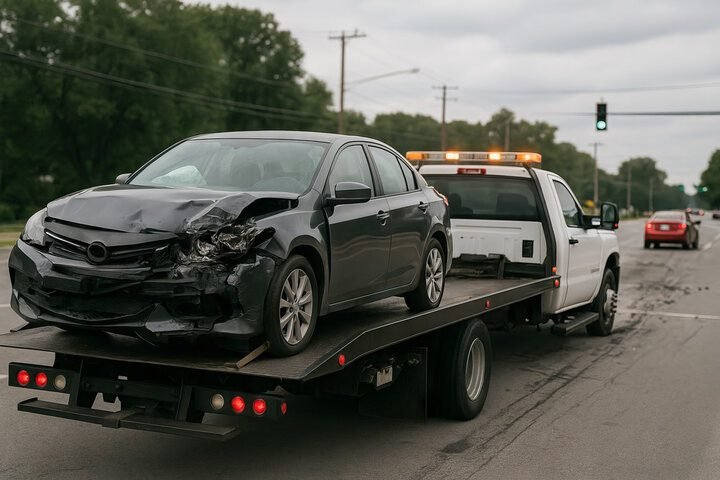
All-wheel drive vehicles are popular across Lebanon, Tennessee and the greater Wilson County area. From navigating rainy highways along I-40 to handling winding backroads near Watertown, AWD vehicles offer improved traction and stability. But when an AWD car breaks down or is involved in an accident, many drivers immediately ask an important question: Can tow trucks tow AWD cars safely?
The short answer is yes, AWD vehicles can be towed safely, but only when the correct equipment and procedures are used. Improper towing can cause serious drivetrain damage, leading to expensive repairs. That is why choosing an experienced towing provider in Lebanon, TN matters. BNI Towing & Recovery, based in Lebanon and serving Wilson County and nearby Middle Tennessee communities, understands the specific requirements for towing AWD vehicles properly.
This guide explains everything local drivers need to know about towing AWD cars safely, including risks, best practices, local regulations, and what to ask before calling a tow truck.
Understanding AWD Towing Risks in Lebanon
All-wheel drive systems distribute power to all four wheels. Unlike two-wheel drive vehicles, where only the front or rear wheels receive power, AWD vehicles rely on complex components like transfer cases, differentials, and drive shafts to maintain traction. When towed incorrectly, these components can be damaged quickly.
In Lebanon and throughout Wilson County, many roadside calls happen on busy roads like Highway 231, I-840, and I-40. If an AWD vehicle is lifted improperly or towed with two wheels on the ground, internal drivetrain components can overheat or bind. This is especially true for modern crossover SUVs and performance sedans that use electronically controlled AWD systems.
Common risks of improper AWD towing include:
- Transmission and transfer case damage
- Differential wear or failure
- Drivetrain misalignment
- Voided manufacturer warranty
- Costly repairs that could exceed thousands of dollars
Weather also plays a role. In Middle Tennessee, heavy rain and occasional winter storms increase breakdown and accident risks. Drivers may not realize that even short-distance towing with the wrong setup can cause long-term mechanical issues.
Another risk involves inexperienced operators who may treat AWD vehicles the same as front-wheel drive cars. That approach can lead to:
- Towing with only two wheels lifted
- Skipping wheel dollies when needed
- Ignoring manufacturer flat towing restrictions
- Failing to secure the vehicle properly on a carrier
For Lebanon drivers in areas like 37087, knowing these risks helps emphasize why professional towing matters. AWD vehicles are built for traction, not for being dragged behind improper equipment.
The good news is that trained towing professionals understand these systems. When the right equipment is used, AWD towing is completely safe.
Are Flatbed Tow Trucks Best for AWD Cars?
In most situations, flatbed tow trucks are considered the safest option for towing AWD vehicles. A flatbed allows the entire vehicle to be lifted off the ground, preventing wheel rotation during transport.
When all four wheels remain stationary, the drivetrain components are protected from stress and friction. This is why many manufacturers specifically recommend flatbed towing for AWD models.
Advantages of flatbed towing for AWD cars include:
- All four wheels completely off the ground
- Reduced drivetrain strain
- Lower risk of transmission damage
- Increased stability during transport
- Better protection after accidents
Flatbed towing is particularly useful in accident recovery situations around Mount Juliet or busy intersections in Lebanon. When a vehicle has suspension damage or locked wheels, a flatbed provides the safest loading method.
However, flatbeds are not the only solution. In some cases, a wheel-lift tow truck combined with dollies can safely transport an AWD vehicle. Dollies elevate the remaining wheels, ensuring none remain in contact with the road.
Situations where alternative methods may be used:
- Tight urban spaces where flatbed access is limited
- Short-distance relocations
- Certain manufacturer-approved towing setups
- Emergency roadside clearance needs
The key factor is not just the truck type but the operator’s knowledge. An experienced towing professional evaluates:
- The make and model of the vehicle
- Manufacturer towing guidelines
- Current mechanical condition
- Roadside positioning and safety
BNI Towing & Recovery serving Lebanon and Wilson County uses equipment appropriate for AWD vehicles and assesses each recovery individually. The goal is always safe transport without adding mechanical damage to an already stressful situation.
Local Towing Laws in Wilson County TN Drivers Should Know
Towing in Tennessee is regulated to protect both motorists and service providers. While state law governs many aspects of towing, local enforcement in Wilson County ensures compliance with safety and operational standards.
Drivers in Lebanon, Mount Juliet, and surrounding areas should understand that proper licensing, insurance, and safety procedures are required for professional towing operations. Choosing a legitimate company reduces risks and protects your vehicle.
Important towing-related considerations in Tennessee include:
- Tow operators must follow state safety regulations
- Vehicles involved in accidents may require law enforcement coordination
- Authorization is required before non-consensual towing
- Certain highways require rapid clearance for safety
When an AWD vehicle is involved in an accident, law enforcement may request removal to restore traffic flow. In those cases, proper handling is essential to prevent further damage.
Wilson County drivers should also know:
- Insurance coverage may specify approved towing procedures
- Improper towing can affect claims
- Manufacturer warranty restrictions may apply
- Storage and retrieval policies vary by provider
Transparency matters. Reputable companies clearly explain fees, procedures, and equipment before transporting your vehicle.
In areas like 37090, where suburban growth continues, traffic congestion increases the likelihood of breakdowns and minor collisions. Knowing your rights and understanding safe towing practices helps you make informed decisions during stressful moments.
BNI Towing & Recovery operates from Lebanon, Tennessee and provides towing and roadside assistance throughout Wilson County and nearby Middle Tennessee communities. Local experience helps ensure services align with Tennessee regulations and safe transport standards.
How BNI Towing Protects AWD Vehicles During Recovery
Protecting an AWD vehicle starts with proper assessment. Before loading any vehicle, a trained operator evaluates drivetrain type, wheel condition, ground clearance, and any accident-related damage.
This careful approach prevents further mechanical issues during transport. AWD vehicles require attention to detail, especially when damage may not be visible.
Key steps in protecting AWD vehicles during towing:
- Confirming drivetrain configuration
- Using flatbed equipment whenever appropriate
- Securing all four wheels properly
- Avoiding unnecessary wheel rotation
- Following manufacturer guidelines
During accident recovery in Lebanon or along I-40, vehicles may have locked steering, suspension damage, or deployed airbags. Each scenario requires adjustments in loading technique.
BNI Towing & Recovery prioritizes:
- Safe vehicle positioning before loading
- Proper winching techniques
- Balanced weight distribution
- Secure strapping to prevent movement
- Careful unloading at the destination
Roadside assistance calls for breakdowns also require attention. For example, if an AWD SUV experiences transmission failure near Watertown, improper towing could worsen the issue. A knowledgeable tow operator ensures the vehicle is transported without additional drivetrain strain.
Communication also plays a role. Drivers are encouraged to share:
- The exact vehicle model
- Any recent mechanical issues
- Dashboard warning lights
- Whether the vehicle is drivable
This information allows the towing team to dispatch appropriate equipment immediately. The goal is simple: move the vehicle safely while minimizing risk.
Common Mistakes When Towing AWD Cars in Tennessee
Despite widespread information, mistakes still happen when towing AWD vehicles. Some drivers assume that a short tow will not cause harm. Unfortunately, even a few miles with two wheels on the ground can result in internal drivetrain damage.
One common mistake is attempting DIY towing with ropes or rental equipment. AWD systems are complex and require professional handling.
Frequent AWD towing mistakes include:
- Flat towing without manufacturer approval
- Using two-wheel lift towing without dollies
- Ignoring transfer case neutral settings
- Failing to check the owner’s manual
- Choosing the cheapest service without verifying equipment
Another issue occurs when drivers fail to mention their vehicle is AWD. Many crossovers look similar to front-wheel drive versions, but drivetrain differences are significant.
Drivers in Lebanon and throughout Wilson County should avoid:
- Letting unverified operators tow high-value vehicles
- Assuming all tow trucks are equipped the same
- Skipping questions about equipment type
- Delaying service and risking roadside hazards
Tennessee’s changing weather conditions can also complicate matters. Wet roads increase accident risk, and improper post-accident towing can compound the damage.
Professional towing providers understand these risks and adjust their methods accordingly. Taking a few extra minutes to confirm proper handling can prevent thousands of dollars in repairs.
What to Ask Before Calling a Tow Truck for AWD Help
When your AWD vehicle breaks down, asking the right questions ensures safe handling. Not all towing situations are identical, and clear communication protects your vehicle.
Start by confirming that the towing company has experience with AWD systems. A knowledgeable provider will immediately understand the need for flatbed or dolly support.
Important questions to ask include:
- Do you use flatbed tow trucks for AWD vehicles?
- Are wheel dollies available if needed?
- Do you follow manufacturer towing guidelines?
- Is your company licensed and insured in Tennessee?
- What is the estimated arrival time in Lebanon or Wilson County?
You should also explain your vehicle’s condition. For example:
- Is the transmission functional?
- Are any wheels locked?
- Was the vehicle involved in an accident?
- Are there dashboard warning lights?
Clear communication allows dispatchers to send appropriate equipment the first time. This reduces delays and prevents the need for secondary towing adjustments.
BNI Towing & Recovery, based in Lebanon, Tennessee, responds to roadside calls across Wilson County and surrounding Middle Tennessee areas. Whether the issue is a breakdown, accident recovery, or non-starting vehicle, asking these questions helps ensure the safest outcome for your AWD vehicle.
Frequently Asked Questions
Can an AWD car be towed with two wheels on the ground?
In most cases, towing an AWD car with only two wheels on the ground is not recommended. Doing so can cause serious drivetrain damage because all four wheels are mechanically linked. BNI Towing & Recovery serving Lebanon and Wilson County uses proper equipment such as flatbeds or dollies to help protect AWD vehicles during transport.
Is flatbed towing required for all AWD vehicles?
Many manufacturers recommend flatbed towing for AWD vehicles because it keeps all four wheels off the ground. While some vehicles may allow alternative methods, flatbeds are generally the safest option. In Lebanon and surrounding Tennessee communities, professional towing providers assess the specific vehicle before deciding on the safest approach.
What should I do if my AWD vehicle breaks down on I-40 near Lebanon?
Move the vehicle to a safe location if possible and turn on your hazard lights. Then contact a professional towing provider experienced with AWD systems. BNI Towing & Recovery serving Wilson County responds to highway breakdowns and can transport your vehicle safely to a repair facility or destination of your choice.
Does insurance cover AWD towing after an accident in Tennessee?
Insurance coverage varies depending on your policy. Many plans include towing after accidents, but improper towing methods could complicate claims. Working with a professional towing company in Lebanon helps ensure safe handling that aligns with insurance and manufacturer requirements.
Can roadside assistance help if my AWD vehicle will not start?
Yes. Roadside assistance services such as jump starts, battery testing, fuel delivery, and lockout support are available throughout Wilson County and nearby areas. If the vehicle cannot be started safely, it can then be transported using proper AWD towing procedures.
Are AWD vehicles more expensive to tow?
The cost can vary depending on distance, equipment required, and vehicle condition. AWD vehicles sometimes require flatbed transport, which may influence pricing. However, using the correct equipment helps prevent costly mechanical damage, making professional towing the safer long-term choice.
What happens if an AWD vehicle is towed incorrectly?
Improper towing can damage the transmission, transfer case, or differentials. Repairs may be expensive and could affect warranty coverage. Choosing an experienced towing provider in Lebanon, Tennessee helps reduce these risks significantly.
Does BNI Towing & Recovery provide 24/7 towing in Wilson County?
BNI Towing & Recovery is based in Lebanon and provides towing and roadside assistance services throughout Wilson County and nearby Middle Tennessee communities. Drivers experiencing breakdowns, lockouts, flat tires, or accident-related issues can request responsive service at any time when roadside help is needed.
If you drive an AWD vehicle in Lebanon, Mount Juliet, Watertown, or anywhere in Wilson County, understanding proper towing procedures protects your investment. AWD vehicles can absolutely be towed safely, but only with the right equipment and experienced handling. Choosing a knowledgeable local towing provider ensures your vehicle is transported securely and responsibly when you need help most.