
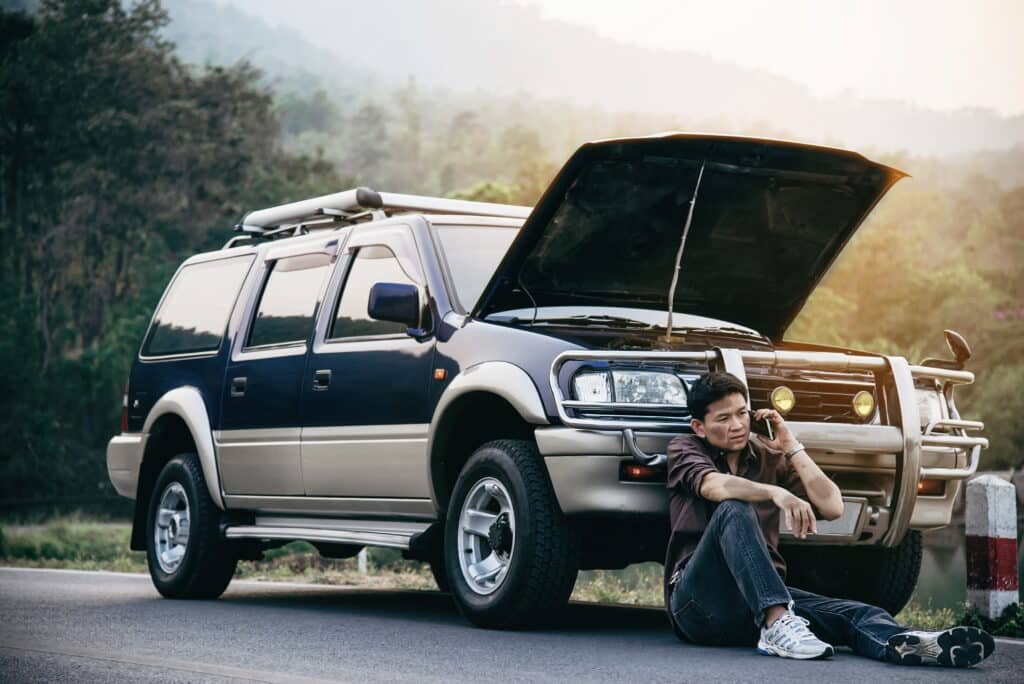
A sudden car breakdown is one of the most stressful experiences for any driver. One moment you’re driving normally, and the next your vehicle stalls, overheats, refuses to start, or comes to a complete stop in the middle of traffic. Not only is it inconvenient, but it can also be dangerous and expensive—especially if it results in an emergency towing situation.
The good news is that most unexpected breakdowns don’t happen without warning. In many cases, vehicles show subtle signs of trouble long before they fail completely. Understanding these warning signs, common causes, and preventive measures can significantly reduce your chances of needing emergency towing.
This detailed guide explains why cars break down unexpectedly on the road and how you can avoid getting stranded.
Understanding Why Cars Break Down Unexpectedly
Cars are complex machines made up of thousands of interconnected parts. When even one essential system fails—engine, battery, transmission, cooling, or fuel system—the entire vehicle can stop working.
Unexpected breakdowns usually happen due to one or more of the following reasons:
- Lack of regular maintenance
- Wear and tear of essential components
- Ignored warning signs
- Extreme weather conditions
- Poor driving habits
- Manufacturing defects (less common)
Let’s explore the most common causes in detail.
1. Battery Failure
One of the most common reasons for roadside breakdowns is a dead or weak battery. Car batteries typically last 2–5 years, but several factors can shorten their lifespan.
Why it happens:
- Leaving lights or electronics on overnight
- Corroded or loose battery terminals
- Extreme heat or cold weather
- Old or weak battery cells
Warning signs:
- Slow engine crank
- Dim headlights
- Clicking sound when turning the key
- Electrical issues inside the car
How to avoid it:
- Test your battery every 6–12 months
- Replace it before it reaches full failure
- Clean terminals regularly
- Avoid leaving electronics on when the engine is off
A dead battery is one of the easiest roadside issues to prevent with routine checks.
2. Engine Overheating
Engine overheating is another major cause of sudden breakdowns. When the engine temperature rises too high, it can lead to severe damage, including blown head gaskets or complete engine failure.
Why it happens:
- Low coolant levels
- Radiator leaks
- Faulty thermostat
- Broken water pump
- Blocked cooling system
Warning signs:
- Temperature gauge rising unusually high
- Steam coming from the hood
- Burning smell
- Loss of engine power
How to avoid it:
- Regularly check coolant levels
- Flush the radiator as recommended
- Inspect hoses for cracks or leaks
- Avoid driving long distances with low coolant
If your car starts overheating, stopping immediately can prevent expensive repairs and towing situations.
3. Flat or Burst Tires
Tire issues are one of the most common roadside emergencies, especially on highways and poorly maintained roads.
Why it happens:
- Driving over nails, glass, or sharp objects
- Underinflated or overinflated tires
- Worn-out tire tread
- High-speed driving on damaged roads
Warning signs:
- Vibrations in the steering wheel
- Pulling to one side
- Visible tire damage
- Sudden loss of control
How to avoid it:
- Check tire pressure monthly
- Replace tires when tread is worn
- Avoid potholes and rough driving conditions
- Rotate tires regularly
A blowout at high speed can be dangerous and often leads to emergency towing.
4. Fuel System Problems
Running out of fuel is the simplest but surprisingly common cause of breakdowns. However, fuel system issues can also occur even when the tank is not empty.
Why it happens:
- Ignoring low fuel warnings
- Fuel pump failure
- Clogged fuel filter
- Contaminated fuel
Warning signs:
- Engine sputtering
- Loss of power during acceleration
- Difficulty starting the car
- Sudden engine shutdown
How to avoid it:
- Never drive on extremely low fuel
- Replace fuel filters regularly
- Use high-quality fuel from trusted stations
- Maintain fuel system cleaning schedule
Even a minor fuel issue can leave you stranded if not addressed early.
5. Alternator Failure
The alternator charges your car battery and powers electrical systems while the engine runs. If it fails, the battery quickly drains, causing the car to shut down.
Why it happens:
- Worn-out alternator belt
- Electrical overload
- Aging components
Warning signs:
- Dim or flickering lights
- Battery warning light on dashboard
- Electrical failures
- Strange noises from engine area
How to avoid it:
- Inspect belts during routine servicing
- Replace alternator when signs of failure appear
- Avoid overloading electrical accessories
A failing alternator often leads to sudden breakdowns with little warning.
6. Transmission Issues
Transmission problems are more serious and often expensive. They can also cause complete vehicle failure while driving.
Why it happens:
- Low or dirty transmission fluid
- Overheating transmission
- Worn-out gears
- Poor maintenance
Warning signs:
- Delayed gear shifting
- Slipping gears
- Burning smell
- Unusual noises when accelerating
How to avoid it:
- Check transmission fluid regularly
- Service transmission as per manufacturer guidelines
- Avoid aggressive driving habits
Ignoring transmission issues can quickly lead to a breakdown requiring towing.
7. Electrical System Failures
Modern vehicles rely heavily on electrical systems. Even a minor electrical fault can stop the car completely.
Why it happens:
- Blown fuses
- Faulty wiring
- Computer system errors (ECU issues)
- Water damage
Warning signs:
- Dashboard warning lights
- Malfunctioning lights or electronics
- Car not starting
- Random system shutdowns
How to avoid it:
- Avoid aftermarket wiring modifications
- Keep battery and alternator in good condition
- Inspect electrical systems during servicing
8. Ignoring Regular Maintenance
The most overlooked reason for breakdowns is simple neglect. Skipping routine maintenance leads to slow deterioration of multiple systems.
Common missed maintenance tasks:
- Oil changes
- Brake checks
- Tire rotation
- Fluid top-ups
- Filter replacements
Result:
Small issues accumulate and eventually lead to a complete breakdown.
Prevention:
- Follow manufacturer service schedule
- Conduct seasonal vehicle inspections
- Address small issues before they become major problems
9. Extreme Weather Conditions
Weather plays a major role in vehicle performance. Both extreme heat and cold can trigger unexpected failures.
Effects of hot weather:
- Battery overheating
- Tire blowouts
- Engine overheating
Effects of cold weather:
- Battery drainage
- Thickened engine oil
- Difficult engine start
Prevention:
- Use season-appropriate fluids
- Park in shaded or covered areas
- Warm up the engine in cold weather
How to Avoid Emergency Towing Situations
While breakdowns cannot always be prevented, you can significantly reduce the chances of needing emergency towing with these practices:
1. Follow a Preventive Maintenance Schedule
Routine servicing is the most effective way to avoid sudden failures.
2. Pay Attention to Warning Signs
Never ignore dashboard alerts, unusual sounds, or changes in vehicle behavior.
3. Keep Emergency Supplies in Your Car
- Jumper cables
- Spare tire
- Basic tools
- First aid kit
- Flashlight
4. Check Your Car Before Long Trips
Inspect tires, fluids, brakes, and battery condition before travel.
5. Drive Responsibly
Avoid aggressive acceleration, sudden braking, and overloading your vehicle.
6. Don’t Ignore Small Repairs
Fixing minor issues early prevents major breakdowns later.
What to Do If Your Car Breaks Down Anyway
Even with proper care, breakdowns can still happen. If your vehicle stops unexpectedly:
- Turn on hazard lights immediately
- Move your car to a safe location if possible
- Stay inside the vehicle if on a busy road
- Call a reliable towing service
- Avoid attempting complex repairs yourself on highways
Safety should always come first.
Final Thoughts
Unexpected car breakdowns are often the result of preventable issues such as poor maintenance, worn-out parts, or ignored warning signs. By understanding the most common causes—battery failure, overheating, tire issues, fuel problems, and electrical faults—you can take proactive steps to keep your vehicle in good condition.
Regular maintenance, careful driving, and early attention to warning signs are the best ways to avoid emergency towing situations and ensure safer, smoother journeys.
A well-maintained car doesn’t just reduce breakdown risks—it also saves money, time, and stress in the long run.