
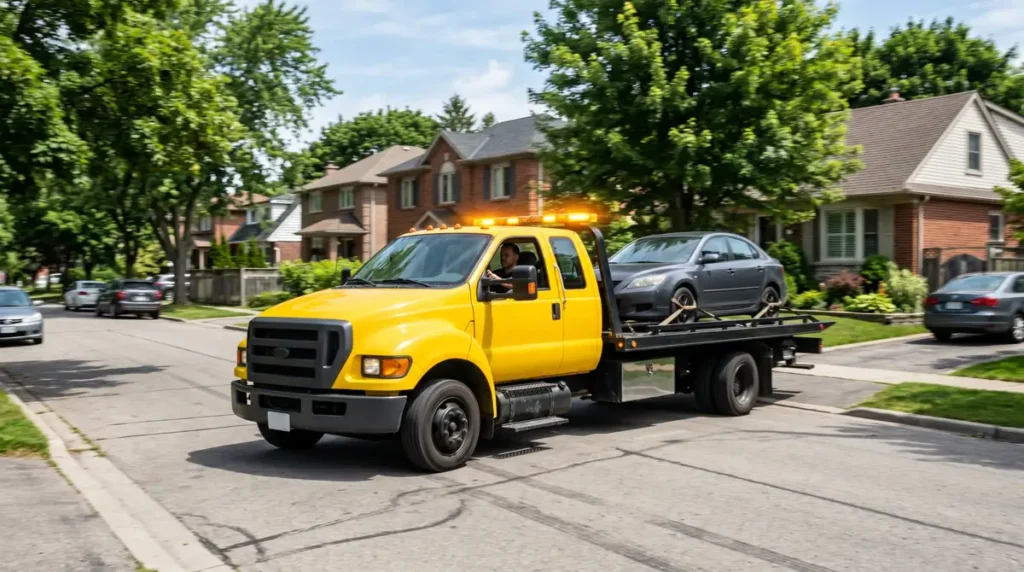
1. Introduction: When Your Car Battery Dies at the Worst Time
There’s never a convenient time for your car battery to die. Whether you’re heading to work, picking up your kids, or driving late at night, a dead battery can instantly disrupt your day. For drivers in Lebanon, TN, this situation can feel even more stressful if you’re stranded in an unfamiliar area or dealing with extreme weather conditions.
Car battery issues are one of the most common roadside emergencies. While they may seem simple at first, they can quickly become frustrating if you don’t know what to do. The good news is that with the right knowledge and preparation, you can handle the situation calmly and safely.
In this guide, we’ll walk you through exactly what to do when your car battery dies, from identifying the problem to getting back on the road quickly. We’ll also cover safety tips, when to call for professional help, and how to prevent battery failure in the future.
2. Understanding Why Car Batteries Die
Before you can solve the problem, it helps to understand why it happens in the first place. Car batteries don’t just fail randomly—there are usually specific causes behind it.
Common Reasons for Battery Failure
1. Leaving Lights or Electronics On
One of the most common reasons for a dead battery is accidentally leaving headlights, interior lights, or other electronics on when the engine is off.
2. Extreme Weather Conditions
Both hot summers and cold winters can affect battery performance. Heat can cause battery fluid to evaporate, while cold temperatures reduce the battery’s ability to generate power.
3. Old or Worn-Out Battery
Most car batteries last between 3 to 5 years. If your battery is older, it may not hold a charge effectively.
4. Corroded or Loose Connections
Corrosion on battery terminals can interrupt the flow of electricity, making it difficult for your car to start.
5. Faulty Alternator
The alternator charges your battery while the engine is running. If it fails, your battery may drain quickly.
Warning Signs Before a Battery Dies
Sometimes, your car gives you clues before the battery completely fails:
- Slow engine crank
- Dim headlights
- Clicking sound when turning the key
- Electrical issues (radio, windows, dashboard lights)
Recognizing these signs early can help you avoid getting stranded.
3. Immediate Steps to Take When Your Battery Dies
If your car won’t start, it’s important to stay calm and follow the right steps.
Step 1: Stay Safe
Your safety should always come first.
- Pull over to a safe location if you’re on the road
- Turn on hazard lights
- Stay inside your vehicle if you’re in a high-traffic area
Step 2: Confirm It’s a Battery Issue
Before taking action, make sure the battery is the problem.
Signs it’s likely a dead battery:
- Engine won’t start
- Clicking noise when turning the key
- Dashboard lights are dim or not working
Step 3: Try a Jump-Start (If Safe)
If you have jumper cables and another vehicle available, you can attempt a jump-start.
Basic Jump-Start Steps
- Park the working vehicle close to yours
- Connect the jumper cables correctly
- Start the working car
- Try starting your car
Important: Incorrect connections can damage your vehicle or cause injury, so only attempt this if you’re confident.
Step 4: Avoid Repeated Attempts
If your car doesn’t start after a few tries, stop attempting. Repeated attempts can drain the battery further or damage the starter.
4. When to Call a Professional Jump-Start Service
Sometimes, the best and safest option is to call a professional roadside assistance service.
Situations Where You Should Call for Help
- You don’t have jumper cables
- You’re unsure how to jump-start a car
- Your car still won’t start after multiple attempts
- You’re in an unsafe or unfamiliar location
- It’s late at night or during bad weather
Benefits of Professional Jump-Start Services
1. Fast Response Time
Most roadside assistance services respond quickly, helping you get back on the road without long delays.
2. Safety and Expertise
Professionals know how to handle different vehicle types and avoid potential risks.
3. Proper Diagnosis
If the issue isn’t just the battery, they can identify the real problem.
4. Additional Services
Many services also offer:
- Battery replacement
- Towing
- Minor repairs
What to Expect During a Service Call
- The technician will assess your vehicle
- Perform a safe jump-start
- Check battery condition
- Recommend next steps if needed
5. Safety Tips While Waiting for Roadside Assistance
Waiting for help can be stressful, especially if you’re stranded. Follow these tips to stay safe:
Stay Visible
- Turn on hazard lights
- Use reflective triangles if available
Stay Inside Your Vehicle
If you’re on a busy road, it’s safer to remain inside with doors locked.
Avoid Accepting Help from Strangers
While most people mean well, it’s safer to wait for professional assistance.
Keep Your Phone Charged
Ensure you can communicate with roadside assistance and emergency contacts.
6. How to Prevent Future Battery Problems
Prevention is the best way to avoid dealing with a dead battery again.
Regular Battery Checks
Have your battery tested during routine maintenance.
Replace Old Batteries
If your battery is more than 3–5 years old, consider replacing it before it fails.
Keep Terminals Clean
Clean battery terminals regularly to prevent corrosion.
Turn Off Electronics
Always double-check that lights and accessories are turned off when leaving your car.
Drive Regularly
If your car sits unused for long periods, the battery can lose charge. Take it for regular drives to keep it active.
Invest in Emergency Tools
Keep these items in your car:
- Jumper cables
- Portable jump starter
- Flashlight
- Emergency contact numbers
Conclusion
A dead car battery can happen to anyone, but knowing how to respond makes all the difference. By understanding the causes, recognizing early warning signs, and following the right steps, you can handle the situation with confidence.
Whether you attempt a jump-start yourself or call a professional service, the key is to prioritize safety and act quickly. Regular maintenance and preventive measures can also help you avoid future issues.
For drivers in Lebanon, TN, having access to reliable roadside assistance ensures that help is always just a call away—giving you peace of mind no matter where the road takes you.