
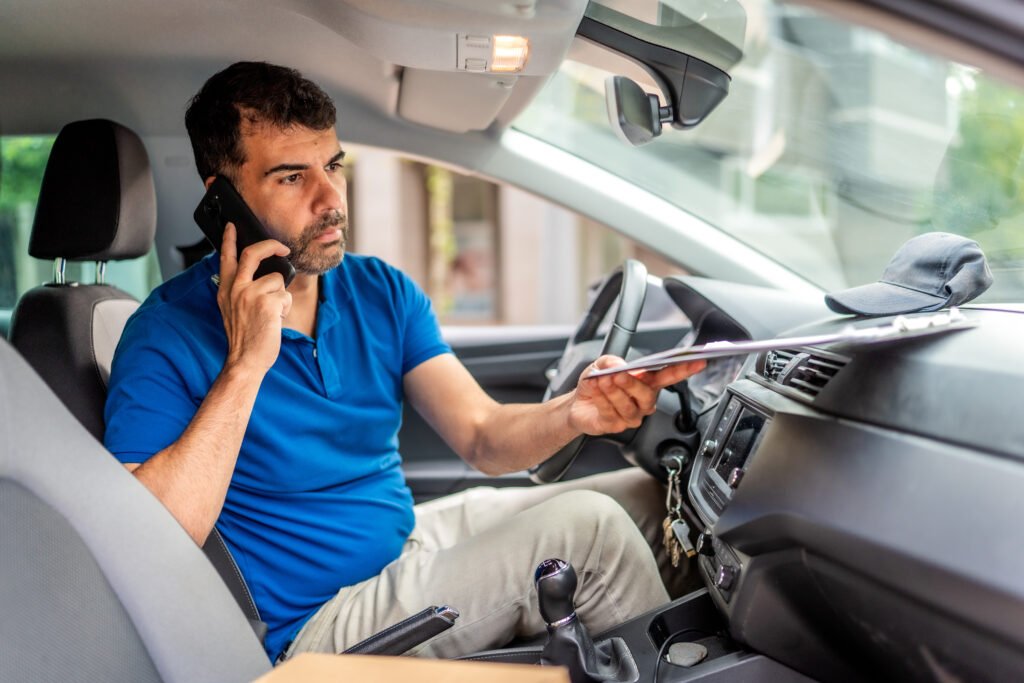
Few situations are more stressful for drivers than experiencing a vehicle problem on the road. Whether it is a dead battery, flat tire, engine trouble, or accidentally locking your keys inside the car, roadside emergencies often happen unexpectedly and at the worst possible times. In these moments, roadside assistance services can provide fast, professional help and get drivers back on the road safely.
However, many people are unsure about what actually happens during a roadside assistance call. If you have never used roadside assistance before, you may wonder how the process works, what information you need to provide, and what type of help technicians can offer.
Understanding the roadside assistance process can make emergencies feel far less overwhelming. Here is a complete step-by-step guide explaining what happens during a roadside assistance call and how professional roadside service providers help drivers during stressful situations.
What Is Roadside Assistance?
Roadside assistance is a service designed to help drivers when their vehicles become disabled or unsafe to drive. Instead of leaving drivers stranded, roadside assistance professionals respond directly to the vehicle’s location to provide emergency support.
Common Roadside Assistance Services Include:
- Jump-starting dead batteries
- Flat tire changes
- Fuel delivery
- Vehicle lockout assistance
- Minor mechanical assistance
- Winch-out or recovery services
- Towing services
Roadside assistance companies are equipped with specialized tools and trained technicians who can handle many common roadside problems quickly and safely.
Step 1: The Driver Experiences a Vehicle Problem
Every roadside assistance call begins with an unexpected issue that prevents normal driving.
Common Situations That Lead to Calls
Drivers may contact roadside assistance after experiencing:
- A dead battery
- A flat tire or blowout
- Running out of fuel
- Engine overheating
- Locking keys inside the vehicle
- Mechanical failure
- Vehicle stuck in mud, snow, or a ditch
- Warning lights or sudden breakdowns
Sometimes the problem is obvious, while other times the vehicle may simply stop working without warning.
In stressful situations, drivers may feel anxious or unsure about what to do next. This is why remaining calm and focusing on safety is important.
Step 2: Moving to a Safe Location
Before making the call, drivers should attempt to move their vehicle to a safer area if possible.
Safety Should Always Come First
If the vehicle is still operable, try to:
- Pull onto the shoulder
- Move into a parking lot
- Exit traffic lanes
- Turn on hazard lights
Avoid stopping in dangerous locations whenever possible.
What if the Vehicle Cannot Move?
If the vehicle is completely disabled:
- Turn on hazard lights immediately
- Stay inside the vehicle if traffic is heavy
- Exit the vehicle carefully only if it is safe to do so
- Keep passengers away from moving traffic
Roadside emergencies can be dangerous, especially at night, during bad weather, or on busy highways.
Step 3: Contacting the Roadside Assistance Provider
Once the driver is safe, the next step is contacting a roadside assistance company or service provider.
Information the Dispatcher May Request
To send the correct help quickly, the dispatcher will usually ask for:
- Your exact location
- Vehicle make and model
- Description of the problem
- Contact phone number
- Vehicle color and license plate information
- Whether passengers are present
Providing accurate information helps technicians arrive prepared with the proper equipment.
Using GPS and Smartphone Technology
Many roadside assistance companies now use GPS tracking and mobile systems to pinpoint the driver’s location more accurately.
This is especially helpful if:
- You are unfamiliar with the area
- You are traveling on highways
- Street signs are difficult to locate
- You are stranded in rural locations
Step 4: Dispatching a Roadside Assistance Technician
After gathering information, the dispatcher assigns the call to a nearby roadside assistance technician or tow truck operator.
Matching the Right Equipment to the Situation
Different roadside emergencies require different tools and vehicles.
For example:
- Flat tire calls may require tire-changing equipment
- Dead battery calls require jump-start tools
- Lockout calls require vehicle entry tools
- Towing calls require flatbed or wheel-lift tow trucks
Professional dispatch systems help send the right technician for the job.
Estimated Arrival Time
Most providers will give an estimated arrival time based on:
- Traffic conditions
- Distance from the service vehicle
- Weather conditions
- Current call volume
Response times can vary depending on location and emergency demand.
Step 5: Waiting Safely for Assistance
While waiting for roadside assistance to arrive, drivers should continue focusing on safety.
Recommended Safety Tips
While waiting:
- Keep hazard lights activated
- Remain visible to other drivers
- Avoid standing near traffic
- Stay inside the vehicle on busy roads when safe
- Keep your phone nearby
During Bad Weather
Extreme heat, cold, rain, or snow can create additional risks.
If weather conditions are dangerous:
- Run the heater or air conditioning sparingly if the vehicle still operates
- Keep windows slightly cracked during snowstorms to avoid carbon monoxide buildup
- Use blankets or extra clothing if temperatures are low
Preparation and patience are important during roadside emergencies.
Step 6: The Technician Arrives and Assesses the Situation
Once the roadside assistance technician arrives, they will inspect the vehicle and evaluate the problem.
Initial Assessment Includes:
- Verifying the issue
- Checking for visible damage
- Determining whether roadside repair is possible
- Identifying safety hazards
The technician may also ask the driver additional questions about what happened before the breakdown.
Safety Procedures
Professional roadside technicians are trained to:
- Position service vehicles safely
- Use warning lights and reflective equipment
- Work around traffic carefully
- Protect drivers and passengers during service
Safety is always a top priority during roadside operations.
Step 7: Performing the Roadside Service
The next step depends on the type of problem the driver is experiencing.
Dead Battery Assistance
Dead batteries are one of the most common roadside assistance calls.
What Happens During a Jump-Start Service?
The technician will:
- Inspect the battery and connections
- Attach jumper cables or a portable jump starter
- Attempt to restart the vehicle
- Check for charging system issues
Sometimes the battery may be too damaged to restart the vehicle. In those cases, towing or battery replacement may be necessary.
Common Causes of Dead Batteries
- Leaving lights on
- Old battery age
- Extreme weather
- Faulty alternator
- Corroded terminals
Flat Tire Assistance
If the driver has a flat tire, the technician will inspect the tire damage.
Tire Service May Include:
- Installing the spare tire
- Inflating low tires
- Checking tire safety
If the tire damage is too severe or no spare tire is available, towing may be required.
Why Professional Tire Assistance Is Safer
Changing tires near busy traffic can be dangerous for drivers without proper equipment or experience.
Roadside technicians are trained to work safely in these environments.
Lockout Assistance
Locking keys inside a vehicle happens more often than many drivers realize.
During Lockout Service:
The technician uses specialized tools to:
- Unlock the vehicle carefully
- Avoid damaging locks or windows
- Retrieve keys safely
Modern vehicles often require advanced lockout techniques due to electronic security systems.
Fuel Delivery Service
Running out of gas can happen during long trips or in unfamiliar areas.
Fuel Delivery Typically Includes:
- Delivering enough fuel to reach a gas station
- Checking for fuel-related issues
- Ensuring the vehicle restarts properly
Drivers should avoid walking along highways searching for fuel, especially at night.
Minor Mechanical Assistance
Some roadside issues can be fixed temporarily without towing.
Examples include:
- Loose battery cables
- Minor hose issues
- Simple electrical problems
However, if the problem cannot be safely repaired roadside, towing is usually recommended.
Step 8: Determining if Towing Is Necessary
Not every roadside emergency can be solved on-site.
Reasons Towing May Be Required
Towing is often necessary when:
- The engine will not start
- The vehicle overheats repeatedly
- Transmission failure occurs
- Brake or steering systems fail
- Accident damage prevents safe driving
- Tire damage is severe
Safe Vehicle Transport
Professional towing companies use:
- Flatbed tow trucks
- Wheel-lift systems
- Specialized recovery equipment
This helps prevent further vehicle damage during transport.
Step 9: Transporting the Vehicle if Needed
If towing is necessary, the technician secures the vehicle properly before transport.
The Driver May Choose:
- A repair shop
- A dealership
- Their home
- A tire shop or service center
Professional operators follow proper loading procedures to protect the vehicle throughout the towing process.
Step 10: Completing the Service Call
Once the service is finished, the technician confirms that the issue has been addressed.
Final Steps May Include:
- Reviewing completed services
- Providing recommendations
- Explaining repair concerns
- Processing payment if necessary
Drivers can then safely continue their trip or arrange repairs if towing was required.
Benefits of Professional Roadside Assistance
Roadside assistance offers several major advantages during emergencies.
1. Improved Safety
Professional technicians are trained to handle dangerous roadside situations safely.
2. Faster Problem Resolution
Quick response times reduce delays and stress.
3. Prevents Additional Vehicle Damage
Improper DIY repairs can worsen existing problems.
4. Convenience
Roadside assistance saves drivers from attempting difficult repairs themselves.
5. Peace of Mind
Knowing help is available can make travel much less stressful.
Tips to Avoid Roadside Emergencies
Although roadside assistance is helpful, prevention is always better.
Preventive Maintenance Tips
Drivers can reduce breakdown risks by:
- Checking tire pressure regularly
- Testing batteries
- Changing oil on schedule
- Monitoring warning lights
- Inspecting brakes and fluids
- Scheduling regular vehicle maintenance
Keeping emergency supplies in the vehicle is also a smart precaution.
What to Keep in Your Vehicle Emergency Kit
A roadside emergency kit may include:
- Flashlight
- Jumper cables
- Phone charger
- Reflective triangles
- Water
- Blanket
- Tire pressure gauge
- First aid supplies
Being prepared improves safety during unexpected situations.
Final Thoughts
Vehicle breakdowns and roadside emergencies can happen to anyone, often when least expected. Fortunately, professional roadside assistance services are designed to help drivers stay safe and get back on the road as quickly as possible.
From the initial emergency call to on-site repairs or towing, roadside assistance professionals follow a structured process to handle each situation efficiently and safely. Whether you are dealing with a dead battery, flat tire, lockout, or major mechanical issue, knowing what to expect during a roadside assistance call can help reduce stress and improve your confidence during emergencies.
The next time you experience a vehicle problem, remember that professional roadside assistance is more than just convenience—it is an important safety resource that helps protect drivers, passengers, and vehicles when unexpected trouble occurs.