
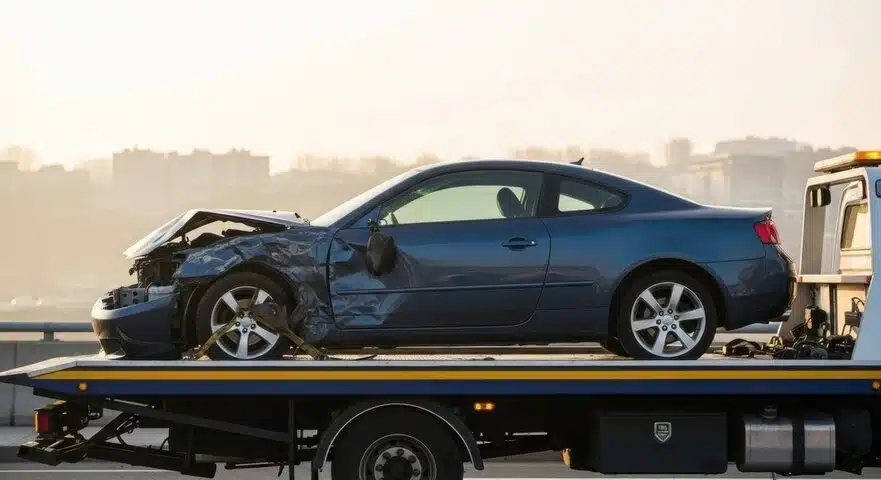
A vehicle accident can happen when you least expect it. Whether it’s a minor fender bender, a multi-vehicle collision, or a weather-related crash, the aftermath can be overwhelming. Beyond ensuring everyone’s safety, drivers often face challenges such as damaged vehicles, blocked roadways, insurance concerns, and transportation issues.
This is where professional accident recovery services become essential. These specialized services help remove damaged vehicles safely, restore traffic flow, and transport vehicles to repair facilities or secure locations.
Understanding how accident recovery works can help drivers make informed decisions during stressful situations and ensure their vehicles are handled properly after an incident.
In this guide, we’ll explore the importance of accident recovery, the recovery process, common accident scenarios, and why professional towing services play a critical role in roadside emergencies.
What Is Accident Recovery?
Accident recovery refers to the process of safely removing, transporting, and securing vehicles involved in collisions or roadway incidents.
Unlike standard towing, accident recovery often requires specialized equipment, trained operators, and strategic planning to recover vehicles from difficult situations such as:
- Highway collisions
- Rollovers
- Multi-vehicle accidents
- Off-road incidents
- Weather-related crashes
- Vehicles trapped in ditches or embankments
The primary goal is to safely recover the vehicle while minimizing additional damage and ensuring public safety.
Why Professional Accident Recovery Matters
Following an accident, vehicles may be severely damaged, positioned dangerously, or unable to move.
Professional recovery services provide several important benefits.
Enhanced Safety
Accident scenes can present hazards including:
- Fuel leaks
- Traffic congestion
- Broken glass
- Vehicle instability
- Debris on roadways
Experienced recovery operators are trained to handle these situations safely.
Prevents Additional Vehicle Damage
Improper handling can worsen existing damage.
Professional towing equipment ensures vehicles are recovered and transported correctly.
Faster Roadway Clearance
Quick removal of damaged vehicles helps reduce traffic delays and lowers the risk of secondary accidents.
Specialized Equipment
Accident recovery often requires more than a standard tow truck.
Recovery teams may use:
- Flatbed tow trucks
- Wheel-lift systems
- Winches
- Recovery straps
- Heavy-duty towing equipment
Common Situations Requiring Accident Recovery
Rear-End Collisions
One of the most common accident types involves a vehicle striking another from behind.
Even low-speed impacts can cause damage that makes a vehicle unsafe to drive.
Side-Impact Crashes
These accidents often result in suspension damage, wheel misalignment, and structural concerns requiring professional transport.
Rollover Accidents
Vehicles involved in rollovers require specialized recovery procedures to safely return them to an upright position before transport.
Weather-Related Accidents
Rain, snow, ice, and fog frequently contribute to roadway incidents.
Vehicles that slide into ditches or become stuck may require recovery assistance.
Multi-Vehicle Collisions
Complex accidents involving multiple vehicles often require coordinated recovery efforts to safely clear the scene.
What to Do Immediately After an Accident
Knowing what steps to take after a collision can improve safety and simplify the recovery process.
Check for Injuries
Ensure all occupants are safe and seek emergency medical assistance if necessary.
Move to a Safe Location
If possible and safe to do so, move away from traffic.
Contact Authorities
Report the accident to local law enforcement according to state requirements.
Document the Scene
Take photographs of:
- Vehicle damage
- Road conditions
- License plates
- Traffic signs
- Surrounding area
Contact a Recovery Service
Professional accident recovery teams can quickly remove damaged vehicles and prevent further complications.
The Accident Recovery Process
Initial Assessment
Recovery professionals evaluate:
- Vehicle condition
- Accident severity
- Traffic conditions
- Recovery challenges
This assessment helps determine the safest recovery method.
Scene Safety Measures
Operators may deploy warning lights, traffic cones, and safety equipment to protect everyone involved.
Vehicle Stabilization
If the vehicle is unstable or overturned, technicians secure it before attempting recovery.
Recovery and Loading
Using specialized equipment, the vehicle is carefully loaded onto a tow truck or recovery platform.
Transportation
The vehicle is transported to:
- Repair facilities
- Storage lots
- Dealerships
- Owner-designated locations
Benefits of Flatbed Towing After an Accident
Flatbed towing is often preferred for collision-damaged vehicles.
Full Vehicle Protection
All four wheels remain off the ground during transport.
Reduced Risk of Additional Damage
Flatbed transport minimizes strain on suspension and drivetrain components.
Ideal for Severely Damaged Vehicles
Vehicles with broken wheels, damaged axles, or structural issues can be transported safely.
Better Security
Flatbed towing provides greater stability throughout transportation.
How Accident Recovery Supports Insurance Claims
Professional recovery services can assist with documentation and transportation that supports the insurance process.
Benefits include:
Accurate Vehicle Handling Records
Detailed records help establish vehicle condition after the accident.
Reduced Additional Damage
Proper recovery prevents disputes regarding damage caused after the collision.
Efficient Repair Coordination
Vehicles can be delivered directly to approved repair facilities.
Faster Claims Processing
Timely recovery helps keep the claims process moving efficiently.
Why Quick Accident Recovery Is Important
Delaying vehicle recovery can create several issues.
Increased Safety Risks
Disabled vehicles may remain exposed to traffic hazards.
Traffic Congestion
Accident scenes can quickly create significant delays.
Additional Vehicle Damage
Exposure to weather or roadway hazards may worsen damage.
Security Concerns
Leaving a damaged vehicle unattended may increase the risk of theft or vandalism.
Choosing the Right Accident Recovery Company
Not all towing providers offer the same level of expertise.
When selecting a recovery company, consider:
24/7 Availability
Accidents can occur at any time.
Experienced Operators
Training and experience are critical during complex recoveries.
Modern Equipment
Advanced towing equipment improves efficiency and safety.
Fast Response Times
Quick arrival reduces roadside risks and traffic disruptions.
Licensed and Insured Services
Professional companies maintain proper licensing and insurance coverage.
Preventing Future Accidents
While not all accidents are avoidable, drivers can reduce risk through:
Regular Vehicle Maintenance
Ensure brakes, tires, lights, and steering systems remain in good condition.
Defensive Driving
Stay alert and maintain safe following distances.
Weather Awareness
Adjust driving behavior during rain, snow, or poor visibility conditions.
Avoiding Distractions
Keep focus on the road and avoid mobile device usage while driving.
When Heavy-Duty Recovery Is Needed
Commercial vehicles, buses, RVs, and large trucks often require specialized heavy-duty recovery equipment.
These recoveries may involve:
- Rotator tow trucks
- Crane-assisted lifting
- Multi-operator recovery teams
- Advanced stabilization systems
Professional expertise is essential when recovering larger vehicles.
Conclusion
Accidents are stressful, but professional accident recovery services help restore order quickly and safely. From securing the scene and removing damaged vehicles to transporting them for repairs, recovery specialists play a vital role in protecting drivers, passengers, and other motorists.
Fast response times, specialized equipment, and experienced operators ensure vehicles are handled properly during every stage of the recovery process. For dependable accident recovery and towing assistance, BNI Towing Lebanon provides reliable support when drivers need it most.
Frequently Asked Questions
1. What is accident recovery?
Accident recovery involves safely removing and transporting vehicles damaged in collisions or roadway incidents.
2. How is accident recovery different from standard towing?
Accident recovery often requires specialized equipment and techniques to safely recover vehicles from complex situations.
3. Should I drive my vehicle after an accident?
Even if damage appears minor, it’s best to have the vehicle inspected before driving to ensure it is safe.
4. How quickly should accident recovery be requested?
Recovery services should be contacted as soon as it is safe to do so after an accident.
5. Does insurance cover accident recovery services?
Many insurance policies include towing and recovery coverage, but coverage varies by provider and policy terms.