
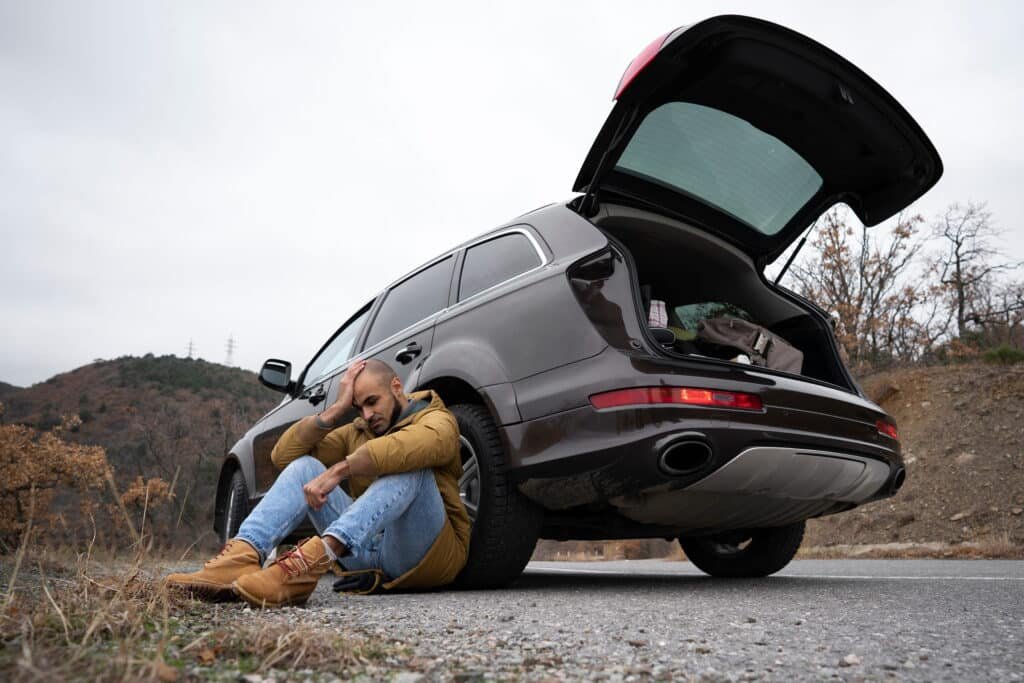
Vehicle breakdowns are stressful no matter where they happen, but experiencing one on a busy interstate like I-40 near Lebanon, Tennessee can quickly become a serious safety concern. Fast-moving traffic, limited shoulder space, changing weather, and heavy travel volumes make interstate breakdowns more dangerous than vehicle problems on local streets.
Whether your vehicle experiences a flat tire, engine trouble, overheating, battery failure, or another mechanical issue, knowing exactly what to do after a breakdown can help protect you, your passengers, and other drivers on the road.
This guide explains the steps drivers should take after a vehicle breakdown on I-40 near Lebanon, TN, and how roadside assistance and towing services help keep emergency situations under control.
Why Vehicle Breakdowns on I-40 Can Be More Dangerous
Interstates are designed for continuous traffic flow at higher speeds. Vehicles traveling on I-40 often move at highway speeds, which means disabled cars can become hazards very quickly.
Several factors increase the risk:
- Fast-moving traffic
- Reduced reaction time for other drivers
- Limited stopping areas
- Narrow shoulders
- Nighttime visibility issues
- Weather-related hazards
- Heavy commercial truck traffic
Even a minor problem like a flat tire may become dangerous if the vehicle remains close to active lanes for too long.
Understanding the right response can significantly improve safety.
Step 1: Stay Calm and Avoid Sudden Reactions
The first few moments after a breakdown are often the most important.
Drivers sometimes panic when warning lights appear or the vehicle begins losing power. Sudden movements such as hard braking or swerving can increase accident risk.
If you notice signs of trouble, remain calm and focus on maintaining control.
Common warning signs include:
- Engine temperature spikes
- Smoke from under the hood
- Loss of acceleration
- Steering difficulty
- Battery warnings
- Strange noises
- Tire blowout sounds
- Flashing dashboard indicators
Take a deep look at the road ahead and prepare to move safely away from traffic.
Step 2: Move the Vehicle Off the Travel Lanes
If the vehicle still operates, move it as far from traffic as possible.
Aim for:
- Right shoulder areas
- Emergency pull-off zones
- Exit ramps when reachable
- Safe parking areas nearby
Avoid stopping:
- In active traffic lanes
- Near blind curves
- On bridges when possible
- In merge areas
The farther your vehicle is from moving traffic, the safer the situation becomes.
If the vehicle completely loses power and cannot move, keep steering control and allow it to coast toward the shoulder.
Never attempt sudden lane changes.
Step 3: Turn On Hazard Lights Immediately
Hazard lights help warn approaching drivers that your vehicle is disabled.
Activate them as soon as:
- You notice mechanical problems
- Speed begins dropping unexpectedly
- The vehicle reaches the shoulder
Hazards improve visibility during:
- Night driving
- Rainstorms
- Fog
- Heavy traffic
- Low-light conditions
On busy highways like I-40, every second of visibility matters.
If available, reflective warning triangles may also help increase visibility once conditions are safe enough.
Step 4: Decide Whether to Stay Inside the Vehicle
Many drivers automatically exit after pulling over, but leaving the vehicle is not always the safest choice.
If traffic is moving quickly and the vehicle is safely positioned on the shoulder:
Remain inside when:
- Traffic is heavy
- Visibility is poor
- Night conditions exist
- Shoulder space is limited
- Weather is severe
Keep:
- Seat belt fastened
- Doors locked
- Phone accessible
Exiting unnecessarily places people closer to moving vehicles.
Leave the vehicle only if:
- Smoke or fire appears
- Fuel leakage exists
- The vehicle sits in a dangerous location
- Emergency responders advise evacuation
Move well away from traffic if leaving becomes necessary.
Step 5: Call for Professional Roadside Assistance
After reaching a safe position, contact roadside assistance or towing services.
Professional help becomes important when dealing with:
- Flat tires
- Battery failure
- Overheating
- Lockouts
- Fuel shortages
- Mechanical breakdowns
- Accident recovery
Attempting roadside repairs on a busy interstate often increases risk.
Trained roadside technicians have:
- Safety equipment
- Warning lights
- Recovery tools
- Tire equipment
- Jump-start systems
- Towing capabilities
Fast response reduces roadside exposure time.
Provide accurate information when calling, including:
- Interstate direction
- Approximate mile marker
- Nearby exits
- Vehicle description
- Type of problem
The more details provided, the easier it becomes for responders to locate you.
Step 6: Watch for Traffic While Waiting
Many drivers relax once help is called, but awareness remains important.
Continue monitoring traffic conditions.
Stay alert for:
- Vehicles drifting toward shoulders
- Commercial trucks passing nearby
- Reduced visibility
- Changing weather
- Secondary accidents
Avoid standing:
- Behind the vehicle
- Between barriers and traffic
- Near active lanes
If outside the vehicle, move to a safer location away from traffic whenever possible.
Step 7: Avoid DIY Repairs in Dangerous Conditions
It may seem faster to fix the issue yourself, but roadside repairs on I-40 are often unsafe.
Examples include:
Flat Tire Changes
Changing a tire near highway traffic creates risk because drivers must work close to moving vehicles.
Danger increases when:
- Shoulder space is narrow
- Trucks pass frequently
- Lighting is poor
- Rain reduces visibility
Professional tire assistance reduces exposure.
Battery Jump Starts
Incorrect jump-start procedures may cause:
- Electrical damage
- Battery explosions
- Sparks
- Personal injury
Roadside professionals perform jump starts safely.
Engine Repairs
Opening the hood immediately after overheating may expose drivers to:
- Steam burns
- Hot coolant spray
- Severe engine temperatures
Allow engines to cool and wait for professional evaluation.
Common Causes of Interstate Breakdowns Near Lebanon
Understanding frequent breakdown causes helps drivers prepare better.
Tire Failures
Tires experience heavy stress at highway speeds.
Common causes include:
- Underinflation
- Worn tread
- Road debris
- Heat damage
- Improper alignment
Routine tire inspections reduce risk.
Overheating Engines
Tennessee summers can increase cooling system stress.
Overheating often results from:
- Low coolant
- Radiator leaks
- Broken fans
- Faulty thermostats
Ignoring temperature warnings may cause major engine damage.
Battery Problems
Battery issues happen unexpectedly.
Warning signs include:
- Slow starts
- Dim lights
- Electrical failures
- Clicking sounds
Older batteries become more vulnerable during temperature changes.
Fuel Miscalculations
Long trips sometimes lead drivers to delay refueling.
Running out of gas on I-40 creates unnecessary danger.
Monitor fuel levels carefully during interstate travel.
How Weather Affects Breakdowns on I-40
Weather plays a major role in roadside emergencies.
Summer Heat
High temperatures may contribute to:
- Engine overheating
- Tire blowouts
- Battery stress
- Cooling failures
Carry extra water and monitor gauges closely.
Rain and Storms
Wet roads reduce traction and visibility.
Rain may lead to:
- Hydroplaning
- Tire damage
- Electrical problems
- Reduced braking performance
Turn on headlights and slow down during storms.
Winter Conditions
Cold temperatures sometimes affect:
- Battery performance
- Tire pressure
- Visibility
- Road traction
Winter preparation lowers breakdown risk.
Emergency Supplies Every Driver Should Carry
Preparation improves roadside safety significantly.
Recommended emergency items include:
Safety Equipment
- Reflective triangles
- Flashlight
- Extra batteries
- Reflective vest
Vehicle Supplies
- Tire gauge
- Portable air compressor
- Jumper cables
- Basic tool kit
Personal Items
- Water bottles
- Phone charger
- Blanket
- First-aid kit
- Snacks
These items help drivers remain comfortable while waiting for assistance.
How Towing Services Improve Interstate Safety
Not all breakdowns can be fixed roadside.
Major failures often require towing.
Professional towing helps by:
- Removing disabled vehicles quickly
- Preventing traffic hazards
- Protecting vehicle components
- Reducing shoulder congestion
- Improving emergency response flow
Towing becomes necessary when vehicles experience:
- Transmission failure
- Engine damage
- Severe overheating
- Suspension problems
- Collision damage
Prompt removal protects everyone using the roadway.
Preventing Future Interstate Breakdowns
Although breakdowns cannot always be avoided, maintenance reduces risk.
Check Tires Monthly
Inspect:
- Pressure
- Tread depth
- Sidewalls
- Spare tire condition
Monitor Fluids
Keep proper levels of:
- Engine oil
- Coolant
- Brake fluid
- Transmission fluid
Test Batteries Regularly
Replace aging batteries before failure occurs.
Watch Dashboard Warnings
Never ignore:
- Check engine lights
- Temperature alerts
- Battery indicators
- Oil pressure warnings
Small repairs today often prevent major roadside emergencies later.
Special Tips for Families Traveling on I-40
Families face additional challenges during breakdowns.
If traveling with children:
- Keep everyone calm
- Remain inside when safe
- Maintain ventilation
- Offer water and snacks
- Avoid roadside walking
Parents should keep emergency contacts easily accessible.
Traveling with elderly passengers may require additional planning, especially during hot weather.
What Not to Do During a Breakdown
Avoid these common mistakes:
Do Not Panic
Stress often leads to poor decisions.
Do Not Stop Suddenly
Abrupt braking increases collision risk.
Do Not Walk Along Busy Traffic Lanes
Interstate traffic moves quickly.
Do Not Attempt Dangerous Repairs
Roadside work near active traffic can be hazardous.
Do Not Ignore Warning Signs
Address mechanical problems early.
Final Thoughts
Vehicle breakdowns on I-40 near Lebanon, TN can happen unexpectedly and often create dangerous conditions due to speed, traffic volume, and limited roadside space.
Knowing what to do immediately after a breakdown can greatly improve safety. Moving the vehicle away from traffic, activating hazard lights, staying aware of surroundings, contacting roadside assistance, and avoiding unsafe repairs are all critical steps.
Prepared drivers respond faster, stay safer, and reduce the chances of secondary accidents.
Whether the issue is a flat tire, overheating engine, dead battery, or major mechanical failure, professional roadside assistance and towing services help restore safety and get drivers back on the road as quickly as possible.
Staying prepared today can make all the difference during tomorrow’s unexpected roadside emergency.