
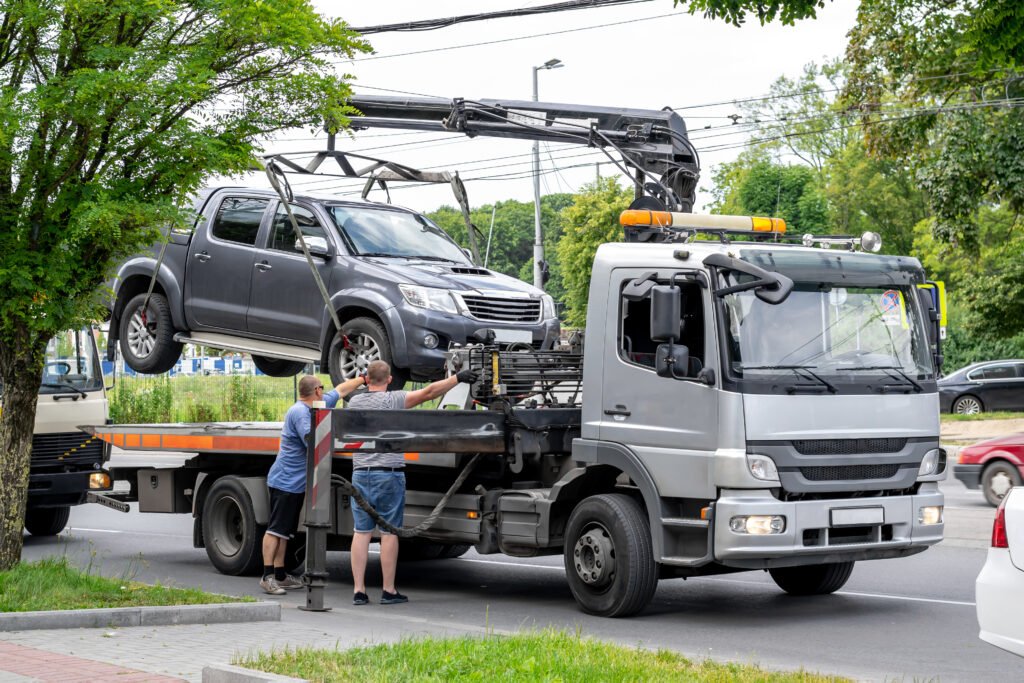
When your vehicle breaks down, gets into an accident, or simply needs to be transported, choosing the right towing method is more important than most people realize. Many drivers assume that all towing services are the same—but in reality, using the wrong type of tow truck can lead to unnecessary wear and tear, higher costs, or even damage to your vehicle.
Understanding the differences between flatbed towing, wheel-lift towing, and heavy-duty towing can help you make smarter decisions during stressful roadside situations. Whether you drive a compact car, an SUV, or a commercial truck, each towing method is designed for specific needs.
In this comprehensive guide, we’ll break down how each towing type works, when to use it, and how to choose the best option for your situation.
1. What Are Towing Services and Why Do They Matter?
Towing services are essential for moving disabled, damaged, or illegally parked vehicles from one location to another. Professional towing companies use specialized equipment to ensure vehicles are transported safely without causing additional damage.
Why Choosing the Right Towing Method Is Important
Selecting the correct towing type can:
- Prevent damage to your vehicle
- Ensure safe transport over short or long distances
- Reduce repair costs
- Provide peace of mind during emergencies
For example, towing an all-wheel-drive vehicle incorrectly can damage its drivetrain, while transporting a luxury car without proper equipment could result in scratches or alignment issues.
2. Flatbed Towing: The Safest and Most Versatile Option
Flatbed towing is widely regarded as the gold standard in the towing industry due to its safety and versatility.
How Flatbed Towing Works
A flatbed tow truck features a long, flat platform that can be hydraulically tilted. Your vehicle is either driven or winched onto the platform, where it rests securely with all four wheels off the ground.
When to Use Flatbed Towing
Flatbed towing is ideal for:
- Luxury and high-end vehicles
- All-wheel-drive (AWD) and four-wheel-drive vehicles
- Severely damaged cars
- Motorcycles
- Long-distance transportation
Advantages of Flatbed Towing
1. Maximum Safety
Because all four wheels are off the ground, there is no contact with the road, eliminating the risk of tire wear or drivetrain damage.
2. No Additional Mileage
Your vehicle isn’t being “dragged” or rolled, so it doesn’t accumulate extra mileage.
3. Reduced Risk of Damage
Flatbed towing minimizes exposure to road debris, potholes, and uneven surfaces.
4. Versatility
Flatbed trucks can handle a wide range of vehicles, from compact cars to SUVs and even small vans.
Disadvantages of Flatbed Towing
- Typically more expensive than other methods
- May take slightly longer to load
- Requires more space for operation
Best Use Cases
If you want maximum protection, especially for valuable or damaged vehicles, flatbed towing is the best choice.
3. Wheel-Lift Towing: Fast, Efficient, and Budget-Friendly
Wheel-lift towing is one of the most commonly used methods for short-distance towing and quick roadside assistance.
How Wheel-Lift Towing Works
A metal yoke is placed under the front or rear wheels of the vehicle. These wheels are lifted off the ground while the other two remain in contact with the road.
When to Use Wheel-Lift Towing
Wheel-lift towing is suitable for:
- Short-distance towing
- Minor breakdowns
- Vehicles parked illegally or needing relocation
- Front-wheel-drive or rear-wheel-drive cars
Advantages of Wheel-Lift Towing
1. Faster Service
Wheel-lift towing is quicker to set up and execute, making it ideal for emergencies.
2. Cost-Effective
It is generally more affordable than flatbed towing.
3. Maneuverability
Wheel-lift trucks are compact and can operate in tight spaces like parking lots or narrow streets.
Disadvantages of Wheel-Lift Towing
1. Limited Compatibility
Not suitable for AWD or 4×4 vehicles, as it can damage the drivetrain.
2. Tire Wear
Since two wheels remain on the ground, there may be slight wear during transport.
3. Not Ideal for Long Distances
Extended towing can increase the risk of wear and tear.
Best Use Cases
Wheel-lift towing is ideal when you need a quick, affordable solution for short distances and standard vehicles.
4. Heavy-Duty Towing: Built for Large and Commercial Vehicles
Heavy-duty towing is specifically designed for oversized vehicles and complex recovery operations.
What Is Heavy-Duty Towing?
Heavy-duty tow trucks are equipped with powerful engines, reinforced frames, and advanced hydraulic systems to handle large loads.
Vehicles That Require Heavy-Duty Towing
- Semi-trucks and trailers
- Buses
- RVs and motorhomes
- Construction equipment
- Large commercial vehicles
How Heavy-Duty Towing Works
These tow trucks use specialized attachments such as booms and winches to lift and transport heavy vehicles safely.
Advantages of Heavy-Duty Towing
1. High Capacity
Can handle extremely heavy and oversized vehicles.
2. Advanced Equipment
Equipped for complex recoveries, including overturned vehicles.
3. Essential for Commercial Needs
Keeps businesses running by quickly recovering large vehicles.
Disadvantages of Heavy-Duty Towing
- Higher cost due to specialized equipment
- Requires highly trained operators
- Not necessary for standard vehicles
Best Use Cases
Heavy-duty towing is essential for commercial transport and large vehicle recovery.
5. Comparing Flatbed vs Wheel-Lift vs Heavy-Duty Towing
Understanding the differences between these towing methods can help you choose the right one quickly.
Safety
- Flatbed: Highest level of safety
- Wheel-lift: Moderate safety
- Heavy-duty: Designed for large vehicles
Cost
- Flatbed: Higher cost
- Wheel-lift: Most affordable
- Heavy-duty: Most expensive
Vehicle Compatibility
- Flatbed: Works for almost all vehicles
- Wheel-lift: Best for standard cars
- Heavy-duty: Only for large vehicles
Distance
- Flatbed: Best for long distances
- Wheel-lift: Ideal for short distances
- Heavy-duty: Depends on situation
6. How to Choose the Right Towing Service
Choosing the correct towing method depends on several factors.
Consider Your Vehicle Type
- Luxury or AWD → Flatbed
- Standard sedan → Wheel-lift
- Commercial truck → Heavy-duty
Evaluate the Situation
- Accident or severe damage → Flatbed
- Minor breakdown → Wheel-lift
- Large vehicle issue → Heavy-duty
Distance Matters
- Long-distance towing → Flatbed
- Local transport → Wheel-lift
Budget Considerations
If cost is a concern, wheel-lift towing is usually more economical—but don’t compromise safety for savings.
7. Common Mistakes to Avoid
Choosing Based on Price Alone
Cheaper isn’t always better—incorrect towing can cause expensive damage.
Ignoring Vehicle Requirements
Certain vehicles require specific towing methods.
Hiring Unqualified Providers
Always choose licensed and experienced towing professionals.
Not Asking Questions
Always confirm the type of towing being used and why.
8. Why Professional Towing Services Are Essential
Professional towing companies provide:
- Trained and experienced operators
- Proper equipment for every situation
- Insurance coverage
- Safe and efficient handling
Attempting DIY towing or hiring unqualified services can result in serious risks, including vehicle damage and safety hazards.
9. Preventing the Need for Towing
While towing services are essential, reducing breakdown risks is always better.
Regular Maintenance Tips
- Check engine and fluids regularly
- Maintain proper tire pressure
- Replace worn-out batteries
- Monitor warning lights
Emergency Preparedness
- Keep roadside assistance contacts handy
- Carry a basic emergency kit
- Plan routes for long trips
Conclusion
Understanding the differences between flatbed towing, wheel-lift towing, and heavy-duty towing empowers you to make informed decisions during stressful roadside situations. Each method has its advantages, and choosing the right one depends on your vehicle type, condition, and distance.
Flatbed towing offers maximum safety, wheel-lift towing provides quick and affordable solutions, and heavy-duty towing handles the biggest and toughest jobs. By selecting the appropriate towing service and working with experienced professionals, you can ensure your vehicle is transported safely and efficiently every time.
Being informed today can save you time, money, and stress tomorrow.