
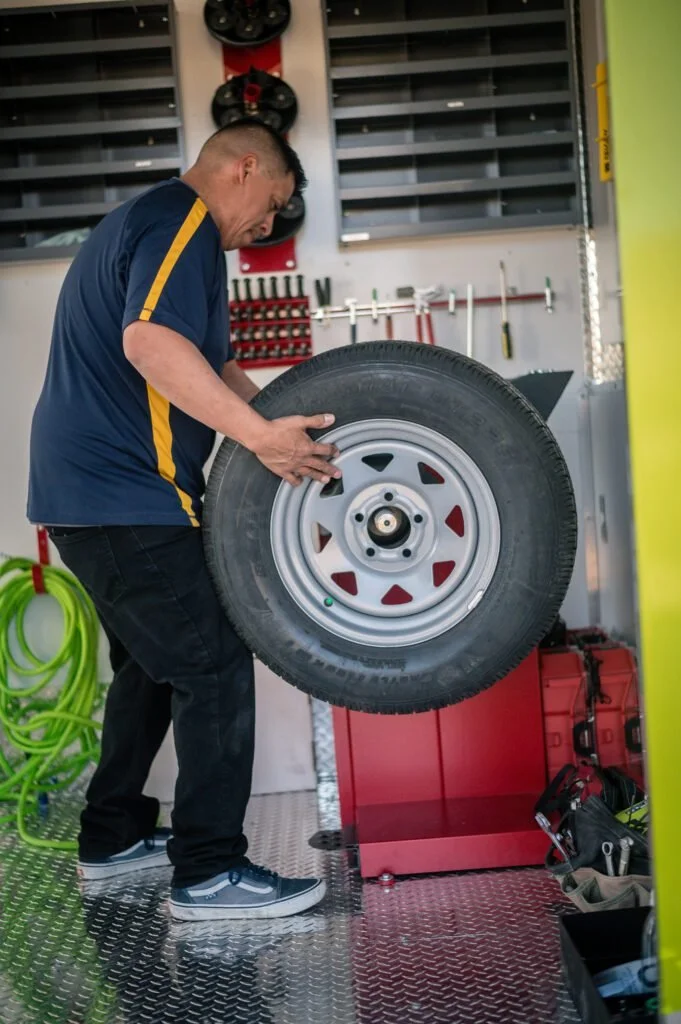
Few vehicle problems are as frustrating and unexpected as a flat tire. Whether you’re commuting to work, traveling with family, or running errands, a tire blowout or puncture can instantly disrupt your plans. While some drivers feel comfortable changing a tire themselves, many situations call for professional assistance—especially when safety is a concern.
A reliable tire change service provides fast roadside support, helping drivers get back on the road without the stress, risk, or physical effort involved in changing a tire on their own. From busy highways to remote roads, professional roadside technicians are equipped to handle tire emergencies quickly and efficiently.
In this guide, we’ll explore common causes of flat tires, the importance of professional tire change services, safety considerations, and tips for preventing tire-related breakdowns.
Why Tire Problems Are So Common
Tires are the only part of your vehicle that make direct contact with the road. Because of this constant exposure, they are vulnerable to wear, damage, and sudden failures.
Common tire issues include:
- Punctures from nails or sharp objects
- Sidewall damage
- Blowouts
- Valve stem leaks
- Tread wear
- Impact damage from potholes
- Improper tire pressure
Even well-maintained tires can experience unexpected problems that require immediate attention.
Common Causes of Flat Tires
Understanding what causes tire failures can help drivers reduce the risk of roadside emergencies.
Road Debris
Sharp objects such as nails, screws, glass, and metal fragments are among the leading causes of punctures.
Even a small object can allow air to escape and create an unsafe driving condition.
Potholes and Road Hazards
Striking a pothole at high speed can damage the tire, wheel, or suspension system.
Hidden road hazards often lead to sudden tire failures.
Underinflation
Driving with low tire pressure increases heat buildup and accelerates wear.
Underinflated tires are more likely to fail unexpectedly.
Overinflation
Excessive air pressure reduces the tire’s ability to absorb impacts and may increase the likelihood of a blowout.
Aging Tires
Rubber naturally deteriorates over time.
Older tires may develop cracks, weakened sidewalls, and reduced traction.
Signs You Need Immediate Tire Assistance
Some tire issues require urgent attention to avoid accidents or further vehicle damage.
Sudden Loss of Air Pressure
A rapid drop in tire pressure is often a sign of a puncture or sidewall damage.
Vehicle Pulling to One Side
A damaged tire may cause steering instability and uneven handling.
Visible Tire Damage
Cuts, bulges, exposed cords, or deep cracks indicate serious safety concerns.
Vibrations While Driving
Excessive vibration may signal tire damage, wheel issues, or uneven wear.
Complete Blowout
A tire blowout requires immediate roadside assistance and should never be ignored.
Why Professional Tire Change Services Matter
Many drivers assume changing a tire is a simple task. However, roadside conditions can make the process difficult and potentially dangerous.
Improved Safety
Changing a tire on the shoulder of a busy highway exposes drivers to traffic hazards.
Professional roadside technicians are trained to work safely in high-risk environments.
Proper Equipment
A tire change service arrives with the necessary tools, including:
- Hydraulic jacks
- Lug wrenches
- Safety equipment
- Tire pressure gauges
This ensures the replacement is performed correctly.
Faster Service
Experienced technicians can often complete a tire replacement much faster than the average driver.
Reduced Risk of Injury
Lifting vehicles and loosening lug nuts can be physically demanding.
Professional assistance eliminates the risk of strain or injury.
What Happens During a Tire Change Service?
When roadside assistance arrives, technicians follow a structured process.
Vehicle Safety Assessment
The first step is ensuring the vehicle is positioned safely away from traffic whenever possible.
Tire Inspection
The technician evaluates the damaged tire to determine whether it can be repaired or requires replacement.
Vehicle Lifting
Using professional equipment, the vehicle is carefully raised to remove the damaged wheel.
Spare Tire Installation
The spare tire is installed and secured according to manufacturer specifications.
Pressure Check
The replacement tire is checked for proper inflation before the vehicle is returned to service.
Final Safety Inspection
The technician ensures all lug nuts are properly tightened and confirms the vehicle is safe to drive.
Benefits of Roadside Tire Change Services
Convenience
Drivers don’t have to struggle with roadside repairs or search for nearby assistance.
24/7 Availability
Many roadside providers offer emergency service day and night.
Peace of Mind
Knowing help is available reduces stress during unexpected situations.
Quick Response
Professional services help minimize delays and get drivers moving again quickly.
Additional Roadside Support
Many providers also assist with:
- Battery jump starts
- Lockout services
- Fuel delivery
- Vehicle towing
When a Spare Tire Isn’t Enough
While spare tires provide temporary mobility, they are not designed for long-term use.
Drivers should seek professional tire replacement if:
- The spare tire is damaged
- No spare tire is available
- Multiple tires are damaged
- Wheel damage is present
- Suspension issues are suspected
In these situations, towing may be the safest option.
How to Prevent Flat Tires
While not every tire emergency can be avoided, proper maintenance significantly reduces risk.
Check Tire Pressure Regularly
Maintaining proper inflation improves performance and reduces wear.
Inspect Tires Frequently
Look for:
- Cracks
- Bulges
- Uneven tread wear
- Embedded objects
Rotate Tires
Regular tire rotation promotes even wear and extends tire life.
Replace Worn Tires
Driving on worn tread reduces traction and increases the likelihood of tire failure.
Avoid Road Hazards
Whenever possible, steer clear of potholes, debris, and damaged road surfaces.
Tire Safety Tips Every Driver Should Know
Keep a Spare Tire Ready
Ensure your spare tire is properly inflated and in good condition.
Carry Emergency Supplies
Helpful items include:
- Flashlight
- Reflective triangles
- Gloves
- Portable air compressor
Know Warning Signs
Recognizing early symptoms can prevent a minor issue from becoming a dangerous breakdown.
Schedule Routine Tire Inspections
Professional inspections help identify problems before they become emergencies.
Why Quick Tire Service Matters
Delaying tire replacement or continuing to drive on a damaged tire can result in:
- Wheel damage
- Suspension problems
- Reduced vehicle control
- Increased accident risk
- Higher repair costs
Prompt assistance helps protect both the vehicle and its occupants.
Choosing the Right Tire Change Service
When selecting a roadside assistance provider, consider:
Fast Response Times
Quick service minimizes roadside exposure.
Experienced Technicians
Training and expertise ensure proper installation.
Modern Equipment
Professional tools improve efficiency and safety.
24-Hour Availability
Tire emergencies can happen anytime.
Reliable Customer Service
Clear communication and dependable support make a stressful situation easier to manage.
Conclusion
Flat tires are among the most common roadside emergencies, but they don’t have to ruin your day. Professional tire change services provide fast, safe, and convenient assistance when drivers need it most. Whether caused by road debris, potholes, or normal wear, tire problems should be addressed immediately to maintain vehicle safety and performance.
By practicing regular tire maintenance and knowing when to seek professional help, drivers can reduce the risk of breakdowns and travel with greater confidence. For dependable roadside assistance and tire change services, BNI Towing Lebanon provides prompt support to help get you back on the road safely.
Frequently Asked Questions
1. How long does a professional tire change take?
Most tire change services can be completed within 20 to 40 minutes, depending on the situation.
2. Can a flat tire always be repaired?
No. Sidewall damage, severe punctures, or extensive wear often require tire replacement.
3. Is it safe to drive on a spare tire?
Spare tires are intended for temporary use and should be replaced with a permanent tire as soon as possible.
4. What causes tire blowouts?
Common causes include underinflation, overloading, road hazards, excessive wear, and heat buildup.
5. Should I call roadside assistance if I have a spare tire?
Yes. Professional technicians can safely install the spare and inspect the damaged tire for additional issues.