
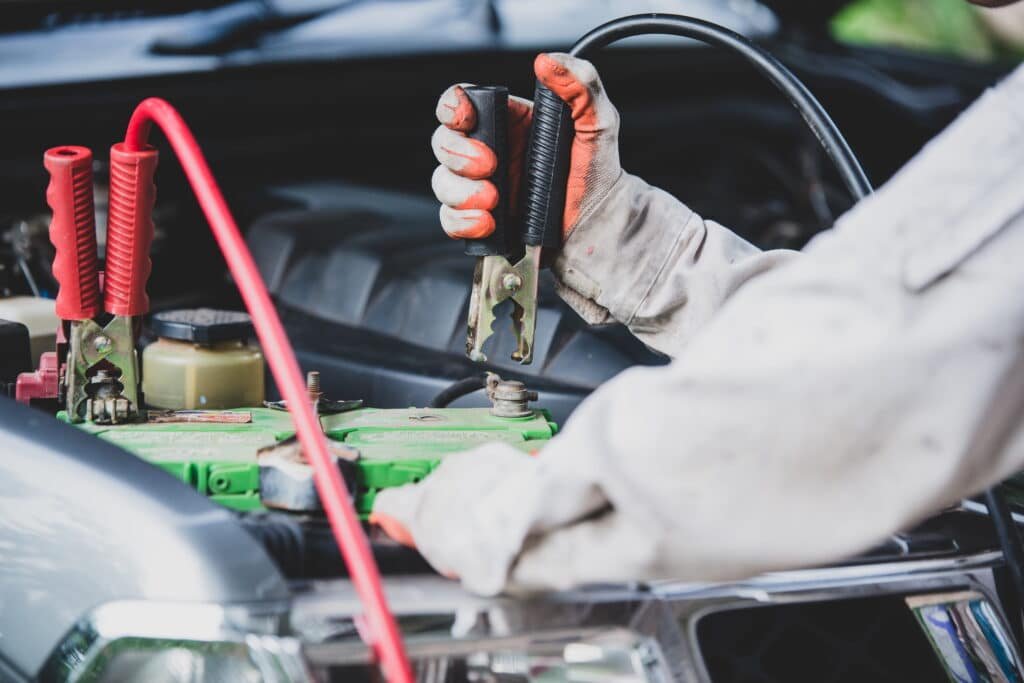
When your vehicle suddenly refuses to start, it can be difficult to know whether you’re dealing with a dead battery or a failing alternator. Both problems can leave you stranded on the side of the road, but they have different causes, warning signs, and repair solutions.
Understanding the difference between a dead battery and alternator failure can help you make better decisions during a roadside emergency, avoid unnecessary repairs, and get back on the road more quickly. In this guide, we’ll explain how your vehicle’s electrical system works, the symptoms of each problem, and what steps to take when your car won’t start.
Understanding the Relationship Between the Battery and Alternator
Before comparing the two issues, it’s important to understand how these components work together.
What Does the Car Battery Do?
The battery provides the electrical power needed to start your vehicle. When you turn the key or push the start button, the battery sends electricity to the starter motor, ignition system, and various electronic components.
The battery also supplies power when the engine is off, allowing features such as:
- Interior lights
- Headlights
- Radio
- Power locks
- Dashboard electronics
Without a functioning battery, your vehicle cannot start.
What Does the Alternator Do?
The alternator is responsible for generating electricity while the engine is running. It recharges the battery and powers the vehicle’s electrical systems.
Once your engine starts, the alternator essentially takes over the job of supplying electrical power.
If the alternator fails, the battery eventually becomes drained because it is no longer being recharged.
This is why battery and alternator problems often appear similar at first glance.
Common Signs of a Dead Battery
A dead battery is one of the most common causes of roadside breakdowns.
Batteries naturally lose capacity over time and may fail due to age, weather conditions, corrosion, or accidental power drain.
1. Engine Won’t Start
The most obvious symptom is a vehicle that won’t start.
You may hear:
- A rapid clicking sound
- A single click
- No sound at all
The engine may crank slowly or fail to turn over entirely.
2. Dim Lights
When the battery lacks sufficient charge, electrical components may receive inadequate power.
Signs include:
- Dim headlights
- Weak interior lighting
- Fading dashboard lights
3. Electrical Accessories Stop Working
You may notice problems with:
- Radio operation
- Power windows
- Door locks
- USB charging ports
These systems depend on battery power.
4. Vehicle Starts with a Jump Start
One of the strongest indicators of a dead battery is when the vehicle starts normally after receiving a jump start.
If the car continues running afterward and starts again later, the battery likely needed a recharge.
If the battery repeatedly dies, replacement may be necessary.
5. Old Battery Age
Most vehicle batteries last approximately three to five years.
If your battery is nearing the end of its expected lifespan, battery failure becomes increasingly likely.
6. Corroded Battery Terminals
Corrosion can interrupt electrical flow between the battery and vehicle.
Look for:
- White powdery residue
- Greenish buildup
- Rust-like deposits around terminals
Cleaning the terminals may restore proper electrical connection.
Common Signs of Alternator Failure
Alternator problems often develop gradually before causing a complete breakdown.
Recognizing the warning signs early may prevent a roadside emergency.
1. Battery Warning Light Appears
Many drivers assume the battery warning light means the battery itself is failing.
In reality, this light often indicates a charging system problem.
Since the alternator charges the battery, a faulty alternator commonly triggers the battery warning indicator.
2. Flickering or Dimming Lights While Driving
Unlike a dead battery, alternator issues often become noticeable while the vehicle is running.
Symptoms include:
- Flickering headlights
- Dashboard lights dimming
- Interior lights changing brightness
These fluctuations occur because the alternator is not supplying consistent voltage.
3. Electrical Components Behave Erratically
As charging output decreases, various systems may malfunction.
Examples include:
- Slow power windows
- Malfunctioning radio
- Unresponsive touchscreens
- Weak air conditioning controls
Modern vehicles rely heavily on electrical systems, making alternator issues especially noticeable.
4. Dead Battery Repeatedly Returns
If you’ve replaced or recharged your battery but it keeps dying, the alternator may be the real problem.
A healthy battery cannot stay charged if the alternator is not replenishing it.
5. Strange Noises from the Engine Bay
Alternators contain bearings and internal components that wear out over time.
You may hear:
- Grinding sounds
- Whining noises
- Squealing belts
These noises often indicate alternator or belt-related problems.
6. Burning Smell
A failing alternator can overheat due to excessive friction or electrical problems.
Possible smells include:
- Burning rubber
- Hot wires
- Electrical burning odors
These warning signs should never be ignored.
7. Vehicle Stalls While Driving
A dead battery usually prevents starting.
An alternator failure, however, can cause the vehicle to stall while driving.
Once the battery’s stored power is depleted, the engine management system may shut down completely.
Dead Battery vs. Alternator Failure: Quick Comparison
| Symptom | Dead Battery | Alternator Failure |
|---|---|---|
| Vehicle won’t start | Yes | Yes |
| Needs jump start | Often | Sometimes |
| Starts and runs normally after jump | Usually | Often no |
| Battery warning light | Rarely | Common |
| Flickering lights while driving | Uncommon | Common |
| Vehicle stalls while driving | Rare | Common |
| Repeated battery drain | Possible | Very common |
| Electrical issues while driving | Limited | Frequent |
How to Perform a Simple Roadside Check
Although professional diagnostics are always recommended, a few simple observations can help identify the likely issue.
Test 1: Jump Start the Vehicle
If your vehicle starts after a jump:
- Let it run for several minutes.
- Observe the headlights and dashboard.
If everything appears normal and the vehicle restarts later, the battery may have simply discharged.
If the vehicle dies shortly after removing jumper cables, alternator failure becomes more likely.
Test 2: Observe Electrical Performance
With the engine running, check:
- Headlight brightness
- Dashboard illumination
- Radio performance
- Power accessories
Electrical instability often points toward charging system problems.
Test 3: Listen Carefully
Pay attention to unusual sounds from under the hood.
Grinding or whining noises can indicate alternator wear.
Test 4: Check Battery Connections
Loose or corroded battery terminals can mimic both battery and alternator issues.
Ensure:
- Connections are tight
- Terminals are clean
- No visible corrosion exists
Why Weather Plays a Major Role
Extreme temperatures significantly affect vehicle batteries.
Cold Weather Effects
Cold temperatures:
- Slow battery chemical reactions
- Reduce available starting power
- Increase engine starting demands
Many battery failures occur during winter.
Hot Weather Effects
Heat can be equally damaging.
High temperatures accelerate:
- Internal battery fluid evaporation
- Plate corrosion
- Premature battery aging
Many drivers don’t realize summer heat often shortens battery life more than winter cold.
What to Do During a Roadside Emergency
When your vehicle won’t start, safety should be your first priority.
Move to a Safe Location
If possible:
- Pull off the roadway
- Turn on hazard lights
- Stay clear of traffic
Safety always comes before troubleshooting.
Avoid Repeated Starting Attempts
Constantly turning the key can:
- Drain remaining battery power
- Damage the starter motor
- Complicate diagnosis
Limit unnecessary starting attempts.
Call Roadside Assistance
Professional roadside technicians can:
- Test battery voltage
- Check charging system output
- Perform jump starts
- Replace batteries when needed
- Arrange towing if necessary
Proper diagnostic equipment provides answers much faster than guesswork.
Do Not Ignore Warning Signs
If you’ve noticed electrical issues, warning lights, or repeated jump-start needs, schedule service promptly.
Early repairs are often less expensive than waiting for complete failure.
Preventing Future Battery and Alternator Problems
Routine maintenance can dramatically reduce the likelihood of roadside breakdowns.
Inspect the Battery Regularly
Check for:
- Corrosion
- Loose terminals
- Cracked battery cases
- Swelling
Addressing minor issues early can prevent major failures.
Test Battery Health Annually
Battery testing helps identify declining performance before complete failure occurs.
Annual testing becomes especially important after three years of use.
Monitor Warning Lights
Never ignore:
- Battery warning lights
- Charging system alerts
- Electrical fault indicators
These warnings often provide advance notice of problems.
Maintain the Serpentine Belt
The alternator relies on the serpentine belt to operate.
A worn or slipping belt can reduce charging performance.
Regular inspections help ensure proper operation.
Schedule Electrical System Inspections
Professional inspections can identify:
- Weak batteries
- Charging issues
- Wiring problems
- Failing alternators
Preventive maintenance is usually less costly than emergency repairs.
Final Thoughts
A dead battery and a failing alternator can produce similar symptoms, but understanding the differences can save time, money, and frustration during a roadside emergency.
A dead battery primarily affects your vehicle’s ability to start, while a failing alternator often causes ongoing electrical problems and may eventually stall the vehicle while driving. Paying attention to warning signs such as dim lights, dashboard alerts, repeated battery failures, and unusual noises can help you identify the source of the problem before you’re stranded.
When in doubt, professional roadside assistance can quickly determine whether your vehicle needs a jump start, battery replacement, alternator repair, or towing service. Acting early not only reduces the risk of breakdowns but also helps protect other components within your vehicle’s electrical system.
The next time your vehicle refuses to start, knowing how to distinguish between a dead battery and alternator failure can make all the difference in getting safely back on the road.