
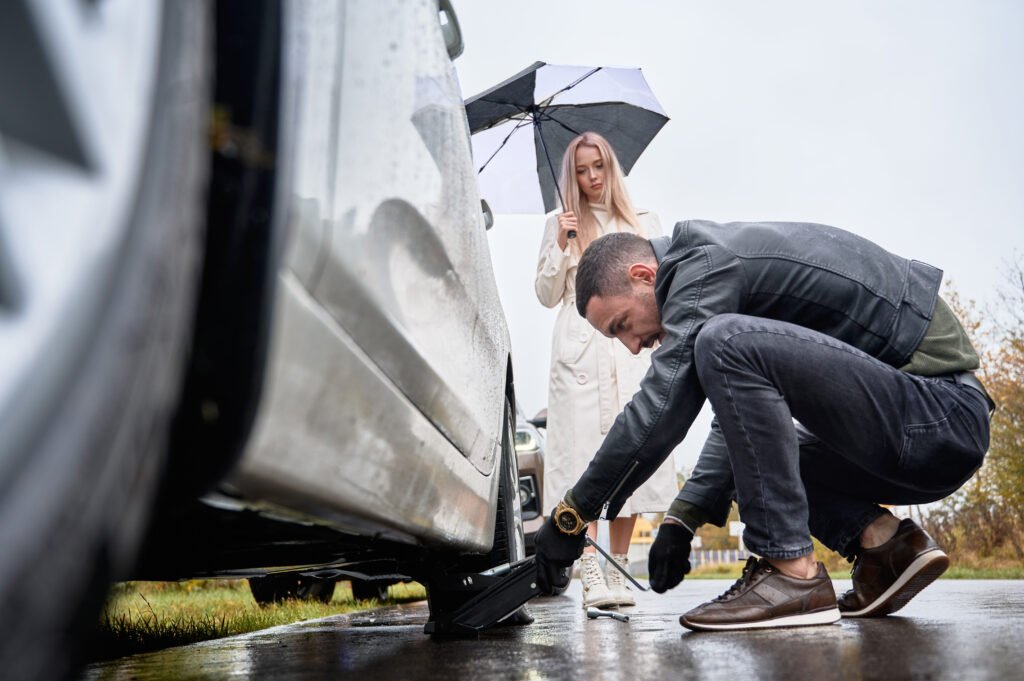
A car breakdown rarely happens at a convenient time. Whether you’re commuting to work, heading home late at night, or traveling with family, an unexpected vehicle failure can quickly turn into a stressful and even dangerous situation. That’s where 24/7 emergency towing services come in—they provide immediate assistance when you need it most, ensuring your safety and getting your vehicle to the right place.
In this comprehensive guide, we’ll walk you through exactly what to do when your car breaks down, how emergency towing services help, and how to stay safe and prepared for the unexpected.
1. Understanding Emergency Towing Services
Emergency towing services are designed to assist drivers anytime, anywhere—day or night. Unlike standard towing services that may operate during business hours, 24/7 providers are always available to respond to urgent roadside situations.
What Does Emergency Towing Include?
Emergency towing companies typically offer a wide range of services, including:
- Vehicle towing (short and long distances)
- Flatbed towing for damaged or luxury vehicles
- Jump-start services for dead batteries
- Tire changes and roadside assistance
- Fuel delivery if you run out of gas
- Lockout services
Why 24/7 Availability Matters
Breakdowns don’t follow a schedule. A late-night flat tire or an early morning engine failure requires immediate help. A 24/7 towing service ensures:
- Quick response times
- Reduced risk of accidents
- Peace of mind during stressful situations
Having access to a reliable towing provider can make a significant difference in how smoothly you handle an emergency.
2. Common Reasons Cars Break Down
Understanding why vehicles break down can help you prevent future issues and respond better when problems arise.
Mechanical Failures
Engine trouble, transmission issues, or overheating are among the most common causes. These problems often develop over time due to lack of maintenance.
Battery Problems
A dead battery is one of the most frequent roadside emergencies. Extreme weather, old batteries, or leaving lights on can drain your battery unexpectedly.
Flat Tires or Blowouts
Sharp objects, worn-out tires, or improper inflation can lead to sudden tire failures, making it unsafe to drive.
Fuel Issues
Running out of fuel happens more often than you’d think, especially on long trips or in unfamiliar areas.
Accidents
Collisions, even minor ones, may leave your car unsafe to drive and require immediate towing.
Electrical Failures
Modern vehicles rely heavily on electronics. A malfunctioning sensor or electrical system can immobilize your car.
Being aware of these common causes helps you stay alert and take preventive measures.
3. What to Do Immediately When Your Car Breaks Down
When your vehicle stops working, your first priority should always be safety. Here’s a step-by-step guide to follow:
Step 1: Stay Calm and Assess the Situation
Panicking won’t help. Take a moment to understand what’s happening. Check for warning lights, unusual noises, or smoke.
Step 2: Move to a Safe Location
If possible, steer your vehicle to the side of the road, a parking lot, or the shoulder. Avoid stopping in the middle of traffic.
Step 3: Turn on Hazard Lights
Activate your hazard lights immediately to alert other drivers that your vehicle is not moving.
Step 4: Use Safety Signals
If you have reflective triangles or flares, place them behind your vehicle to increase visibility—especially at night or in poor weather.
Step 5: Stay Inside the Vehicle (If Unsafe Outside)
If you’re on a busy highway, it’s often safer to remain inside your car with your seatbelt fastened until help arrives.
Step 6: Call for Emergency Towing
Contact a reliable 24/7 towing service. Provide:
- Your exact location
- Vehicle type and condition
- Description of the issue
Step 7: Inform Someone You Trust
Let a friend or family member know your situation and location for added safety.
Taking these steps ensures you remain safe while waiting for assistance.
4. How Emergency Towing Services Help You
Once you contact a towing company, trained professionals take over, making the process much smoother and less stressful.
Fast Response Times
Emergency towing companies prioritize urgent calls and dispatch drivers quickly to your location.
Professional Handling
Experienced operators know how to handle different vehicle types—from compact cars to heavy-duty trucks—without causing further damage.
Specialized Equipment
Depending on your situation, they may use:
- Flatbed trucks for damaged or luxury vehicles
- Wheel-lift tow trucks for quick roadside removal
- Heavy-duty tow trucks for large vehicles
On-the-Spot Assistance
In many cases, towing professionals can fix minor issues on-site, such as:
- Jump-starting a battery
- Changing a flat tire
- Delivering fuel
Safe Transportation
If your car can’t be repaired on-site, it will be safely transported to a repair shop, your home, or another preferred location.
Emergency towing services not only provide convenience but also ensure your vehicle is handled safely and efficiently.
5. Safety Tips While Waiting for a Tow Truck
Waiting for help can be the most vulnerable part of a breakdown situation. Follow these safety tips to protect yourself:
Stay Visible
Keep your hazard lights on and ensure your vehicle is visible to other drivers.
Avoid Accepting Help from Strangers
While some people may genuinely want to help, it’s safer to wait for professional assistance.
Lock Your Doors
If you’re inside your vehicle, keep doors locked and windows slightly open if needed.
Be Aware of Your Surroundings
Pay attention to traffic, weather conditions, and people nearby.
Keep Emergency Supplies
A roadside emergency kit can be extremely helpful. Include:
- Flashlight
- First-aid kit
- Water and snacks
- Phone charger or power bank
- Basic tools
Stay Warm or Cool
Depending on the weather, use blankets or keep the engine running occasionally for climate control (only if it’s safe to do so).
Taking these precautions can significantly reduce risks while you wait.
6. How to Choose the Right Emergency Towing Service
Not all towing companies offer the same level of service. Choosing the right one can make a big difference in your experience.
Look for 24/7 Availability
Ensure the company truly operates around the clock and can respond quickly.
Check Reviews and Reputation
Customer reviews provide insight into reliability, response time, and professionalism.
Verify Licensing and Insurance
A legitimate towing company should be licensed and insured to protect your vehicle.
Ask About Pricing
Transparent pricing helps you avoid unexpected costs. Ask for an estimate before confirming the service.
Range of Services
Choose a provider that offers comprehensive roadside assistance, not just towing.
Response Time
Quick response is crucial in emergencies. Look for companies known for fast service.
Building a relationship with a trusted towing provider before you need one can save time and stress during an emergency.
7. Preventing Future Breakdowns
While not all breakdowns can be avoided, regular maintenance can significantly reduce the risk.
Routine Vehicle Maintenance
- Regular oil changes
- Brake inspections
- Fluid checks
- Battery testing
Tire Care
Maintain proper tire pressure and replace worn tires promptly.
Monitor Warning Signs
Don’t ignore dashboard warning lights, unusual noises, or performance issues.
Keep Fuel Levels Adequate
Avoid letting your fuel tank drop too low, especially during long trips.
Schedule Regular Inspections
Professional inspections can catch issues before they become serious problems.
Preventive care not only saves money but also ensures your safety on the road.
Conclusion
A car breakdown can be frustrating and even dangerous, but knowing what to do—and having access to reliable 24/7 emergency towing services—can turn a stressful situation into a manageable one. From ensuring your immediate safety to getting your vehicle repaired quickly, towing professionals play a crucial role in roadside emergencies.
By staying prepared, following safety steps, and choosing the right towing service, you can handle unexpected breakdowns with confidence. Keep emergency contact numbers handy, maintain your vehicle regularly, and always prioritize safety.
When the unexpected happens, being informed and prepared makes all the difference.